Author name: rizzwaqar316313

How to choose a truck dispatcher for owner-operators and small trucking companies
Blog

How to Choose a Truck Dispatcher: 2026 Carrier Guide

How to Choose a Truck Dispatcher: The Ultimate Guide for Owner-Operators and Small Fleets To choose a truck dispatcher, evaluate their fee structure (typically 5%–10% of gross revenue), insist on a strict “no forced dispatch” clause, verify that all loads are booked under your own MC authority, and ensure complete transparency with direct broker Rate Confirmations. A reputable dispatch service handles load sourcing, aggressive rate negotiation, broker credit checks, and back-office administration without locking you into predatory long-term contracts. Running an independent trucking company requires balancing two full-time jobs: driving safely and managing a high-volume freight office. For owner-operators and small fleet managers, administrative burdens—scouring load boards, making dozens of broker calls, verifying credit, completing carrier setup packets, and tracking invoicing—frequently pull attention away from driving time and route execution. +———————————————————————————–+ | THE DISPATCH SELECTION FRAMEWORK | +———————————————————————————–+ | [Step 1: Fee Structure] —> Check 5%-10% percentage vs. flat weekly rates | | [Step 2: Authority Check] —> Ensure 100% booking under YOUR MC/DOT number | | [Step 3: Contract Terms] —> Demand “No Forced Dispatch” & transparent RateCons | | [Step 4: Back-Office Scope]—> Verify credit checks, packet handling & factoring| +———————————————————————————–+ Choosing the right truck dispatch service is one of the most critical operational decisions an independent motor carrier can make. Partnering with an experienced, honest dispatcher optimizes revenue per mile and streamlines back-office tasks. Conversely, partnering with an unprofessional service can result in poor freight lanes, low rates, unexpected fees, or legal non-compliance. This guide provides an objective framework for evaluating, interviewing, and selecting an independent truck dispatch company tailored to your operational needs. What Does a Professional Truck Dispatcher Do? An independent truck dispatcher acts as an outsourced back-office representative for motor carriers. Unlike freight brokers who represent the shipper seeking the lowest transport rate, a legitimate carrier dispatcher works directly for you—the trucker—aiming to secure the highest possible rate confirmation while managing logistics administration. +———————————————————————————–+ | CARRIER DISPATCHER RESPONSIBILITIES | +———————————————————————————–+ | • Strategic Load Sourcing | Monitoring DAT, Truckstop & direct broker networks | | • Aggressive Rate Negotiation | Pushing for market-peak RPM & accessorial pay | | • Broker Credit Verification | Auditing broker credit scores via factoring databases| | • Packet & COI Administration | Completing carrier setup packets & insurance certs | | • In-Transit & Billing Support | Handling detention tracking, BOLs & factor submission| +———————————————————————————–+ Core Back-Office Functions Load Sourcing & Market Analysis: Continuous monitoring of premium load boards, private broker databases, and direct shipping contacts to build profitable triangular freight loops. Rate Negotiation: Leveraging lane capacity data, seasonal trends, and load urgency to negotiate gross revenue above standard posted rates. Broker Credit Checks: Running prospective brokers through factoring databases (e.g., RTS, OTR Solutions, Apex) before accepting loads to protect your business from non-paying entities. Carrier Packet Management: Completing broker setup paperwork, W-9 submissions, Certificate of Insurance (COI) requests, and Notice of Assignment (NOA) verifications on your behalf. In-Transit Support & Accessorial Collection: Managing detention tracking, layover claims, Truck Ordered Not Used (TONU) documentation, and lumper receipts. Legal Boundaries: Carrier Dispatcher vs. Freight Broker Understanding the legal distinction between an independent dispatcher and a freight broker is critical for protecting your Motor Carrier Authority under Federal Motor Carrier Safety Administration (FMCSA) guidelines. +————————————————————————————-+ | DISPATCHER VS. FREIGHT BROKER: LEGAL DISTINCTIONS | +————————————————————————————-+ | Feature | Independent Carrier Dispatcher | Licensed Freight Broker | +——————–+———————————–+—————————-+ | Primary Representation| Motor Carrier (The Trucker) | Shipper / Cargo Owner | | FMCSA License | Operates under Carrier’s Authority| Holds independent Broker | | | (Bona fide agent per 49 CFR § 371)| Authority & $75k BMC-84 Bond| | Load Booking | Books strictly under Carrier MC # | Re-brokers shipper freight| | Payment Flow | Broker pays Carrier directly; | Collects from Shipper; | | | Carrier pays Dispatcher fee | pays Carrier net rate | +——————–+———————————–+—————————-+ A legal, bona fide truck dispatcher acts as an administrative agent for a limited number of carriers under explicit dispatch service agreements. The dispatcher never takes custody of freight payments, handles shipper funds directly, or re-brokers freight. All loads must be booked directly under your active MC/DOT number, with freight checks or factoring deposits going straight to your business bank account. Warning on Double-Brokering: If a dispatch company claims they will pay you directly for a load rather than having the broker pay you, or if they book freight under an unfamiliar MC number, stop immediately. Co-mingling funds or re-routing freight through unauthorized entities is illegal double-brokering, which can lead to authority revocation and unpaid claims. Evaluating Truck Dispatch Service Fees Truck dispatching service fees generally follow two pricing models in the U.S. freight market: Percentage-Based Fees and Flat Weekly Rates. +———————————————————————————–+ | DISPATCH FEE COMPARISON | +———————————————————————————–+ | Model | Typical Range | Best Fit For | +——————–+—————–+——————————————–+ | Percentage of Gross| 5% – 10% | Owner-operators wanting aligned incentives | | Flat Weekly Rate | $150 – $300/wk | High-revenue specialized carriers (RGN, | | | per power unit | Reefer) running premium gross rates | +——————–+—————–+——————————————–+ 1. Percentage-Based Fee Model (5% – 10%) Under this structure, the dispatcher earns a pre-negotiated percentage of the gross load value. Pros: Incentives are directly aligned. The higher the dispatcher negotiates your load rate, the more they earn. If your truck is down for maintenance, you pay nothing. Cons: On high-grossing specialized hauls (e.g., $10,000+ heavy haul trips), a percentage fee can result in higher total out-of-pocket costs compared to a flat rate. 2. Flat Weekly Fee Model ($150 – $300 / week) Under a flat fee model, you pay a set rate per week per truck, regardless of total gross earnings. Pros: Predictable operational expenses; ideal for high-volume drivers earning $7,000+ weekly gross. Cons: You must pay the flat fee even if your truck experiences breakdowns or extended downtime during the billing cycle. Self-Dispatching vs. Outsourced Dispatching: ROI Math Financial Metric Self-Dispatching (Solo Driver) Professional Dispatch Service Weekly Driven Miles 2,200 miles 2,400
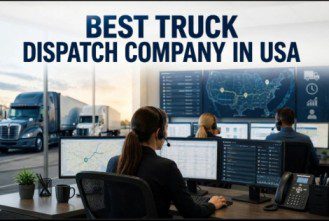

Professional truck dispatcher negotiating high paying freight loads for an owner operator in the USA.
Blog

Best Truck Dispatch Company in USA | Reliable Dispatch

Best Truck Dispatch Company in USA: The Ultimate Guide for Owner-Operators and Small Fleets The best truck dispatch company in the USA provides independent motor carriers with dedicated load booking, aggressive rate negotiation, comprehensive back-office packet management, and 24/7 broker communication—all without forcing loads or locking carriers into restrictive contracts. Outsource your dispatching to professional freight dispatchers to optimize revenue per mile, reduce non-productive deadhead hours, and turn administrative downtime into profitable driving time. For owner-operators and small fleet owners, driving the truck is only half the business. The other half involves scouring load boards, calling brokers, filling out setup packets, checking broker credit, negotiating rate confirmations, and managing factor billing. Running a trucking company while behind the wheel creates operational bottlenecks that drain revenue and cause unnecessary fatigue. +———————————————————————————–+ | THE DISPATCH OPERATIONAL CYCLE | +———————————————————————————–+ | [Broker Credit Check] —> [Rate Negotiation] —> [Carrier Packet & RateCon] | | | | [Factoring & Invoicing] <– [Detention/Layover] <– [In-Transit 24/7 Tracking] | +———————————————————————————–+ Working with a top-rated truck dispatch company gives small carriers the administrative leverage of a major fleet. This guide breaks down how professional dispatching works, how to evaluate service models, how to protect your MC authority, and how to select the ideal dispatch partner for your equipment type. What Is a Truck Dispatch Company? Simple Definition A truck dispatch company is an independent service provider that represents licensed motor carriers (owner-operators and fleet owners) in searching for, negotiating, booking, and managing freight loads. Unlike freight brokers who represent the shipper, an independent freight dispatcher works directly for the carrier under a formal dispatch service agreement. How It Works The operational workflow between a carrier and a dedicated truck dispatcher follows a structured process: Carrier Onboarding: You provide your MC/DOT authority letter, W-9, Certificate of Insurance (COI), and factoring Notice of Assignment (NOA). Lane & Preference Profiling: You set your preferred operating lanes, target revenue per mile (RPM), home-time schedules, and freight requirements. Load Sourcing & Credit Verification: Your dispatcher monitors private load boards, direct shipper connections, and broker networks, running immediate credit checks on prospective brokers. Rate Negotiation: The dispatcher negotiates high-paying rates, detention terms, layover pay, and tarp/lumper fees before securing the Rate Confirmation (RateCon). Back-Office Management: The dispatcher completes setup packets, dispatches routing details to the driver, tracks in-transit milestones, and submits completed Bills of Lading (BOLs) to your factoring company or broker. Why It Matters A single missed phone call while driving can cost an owner-operator a $3,000 load. Professional truck dispatch services eliminate operational downtime. By delegating back-office logistics to a dedicated specialist, carriers increase weekly gross revenue while remaining fully focused on road safety and FMCSA compliance. Core Services Offered by Professional Truck Dispatchers A top truck dispatch company in the USA does far more than click “book” on load boards. Comprehensive dispatching provides end-to-end operational support. +———————————————————————————–+ | FULL-SERVICE DISPATCHING BACKBONE | +———————————————————————————–+ | 1. Strategic Load Sourcing | Continuous lane analysis & market tracking | | 2. Aggressive Rate Negotiation | Maximizing Gross RPM & securing spot-rates | | 3. Complete Packet Management | Fast setup with brokers & insurance filings | | 4. Broker Credit Verification | Risk mitigation against non-paying brokers | | 5. In-Transit & Billing Support | Detention tracking, BOL submission & factoring| +———————————————————————————–+ Strategic Load Booking & Lane Optimization Securing freight is about building sustainable, profitable loops—not taking random spot-market loads. Experienced dispatchers analyze regional freight rates, seasonal capacity shifts, and headhaul/backhaul dynamics to position your truck in high-demand origin markets. Broker Credit Checks Hauling a load for an insolvent or slow-paying broker puts your business at financial risk. Dispatchers run instant credit checks through established rating systems and factoring databases before accepting any Rate Confirmation. Setup Packet & Paperwork Administration When booking with a new broker, completing carrier packets, insurance certificates, and tax documents takes 20 to 40 minutes. Dispatchers maintain updated digital packets to execute agreements in minutes, ensuring you don’t lose lucrative loads to faster competitors. Rate Negotiation & Accessorial Management Professional dispatchers know current market averages across specific lanes. They negotiate for higher gross pay and ensure essential accessorial fees—such as detention pay, layover compensation, extra drop charges, and TONU (Truck Ordered Not Used)—are written directly into the RateCon. 24/7 Driver & In-Transit Support Logistics does not stop at 5:00 PM. Whether you face check-in delays at a distribution center at midnight or need emergency re-routing around severe weather, 24/7 truck dispatch services provide continuous support. Equipment-Specific Dispatch Services Different trailer types require specialized market knowledge, regulatory awareness, and lane strategies. +————————————————————————————-+ | DISPATCH REQUIREMENTS BY EQUIPMENT TYPE | +————————————————————————————-+ | Equipment Type | Primary Focus | Key Operational Detail | +—————-+————————————-+——————————+ | Dry Van | Consistent volume & freight loops | High-density lane efficiency | | Refrigerated | Temp logs & strict receiver windows | Continuous reefer monitoring | | Flatbed/Step | Load dimensions, straps & tarps | Oversize permits & escorts | | Heavy Haul/RGN | Axle weight limits & routing | Multi-state permit clearance | +—————-+————————————-+——————————+ Dry Van Dispatch Services Dry van freight is the backbone of US surface transportation. Successful dry van dispatch services focus on high-density freight corridors, minimizing deadhead miles, and maintaining tight turnaround schedules between major distribution hubs. Reefer Dispatch Services Temperature-controlled freight demands meticulous attention to detail. Reefer dispatch services manage strict appointment windows, pre-cooling requirements, continuous reefer temperature monitoring, and high-value product insurance parameters. Flatbed & Step-Deck Dispatch Services Open-deck equipment involves unique variables, including tarping fees, strap requirements, and specialized loading docks. Dedicated flatbed dispatch services and step-deck dispatching secure premium rates that compensate for physical labor and specialized tie-down equipment. RGN & Specialized Heavy Haul Dispatch Relocating construction machinery and oversized equipment requires specialized expertise. RGN dispatch services coordinate multi-state permits, curfew restrictions, escort vehicle logistics, and precise axle-weight clearances to ensure compliant, profitable hauls. The Financial Reality: Self-Dispatching vs. Professional Dispatch Services Many owner-operators ask whether paying a dispatch fee is worth the cost compared to self-dispatching

How to start a trucking business in 2026
Blog

How to Start a Trucking Business in 2026: Step-by-Step

How to Start a Trucking Business in 2026: A Step-by-Step Guide Starting a trucking business is more than buying a truck and finding freight to haul. It’s a regulated business that requires the right legal authority, insurance, equipment, and financial planning before a single load moves. Skip any of these steps, and you risk fines, denied claims, or a business that can’t legally operate. This guide walks through the process in the order it actually needs to happen — from deciding on a business structure to getting operating authority, building a team, and finding your first loads. Whether you’re planning to run as a solo owner-operator or build toward a small fleet, the fundamentals below apply either way. Is 2026 a Good Time to Start a Trucking Business? Freight demand tends to move in cycles tied to consumer spending, fuel prices, and broader economic conditions, so there’s no single answer to whether “now” is the right time — it depends heavily on your target freight lane, niche, and how well-capitalized you are going in. What’s more useful than trying to time the market is understanding the two paths most new entrants take: Owner-operator: You drive your own truck, eith er under your own operating authority or leased to a carrier. Lower overhead, but your income is tied directly to your own hours behind the wheel. Small fleet/carrier: You hire drivers and manage multiple trucks. Higher potential revenue, but significantly more administrative, compliance, and cash-flow responsibility. Most people starting out begin as an owner-operator and expand into a small fleet once they understand the operational and financial rhythm of the business. Trying to start with several trucks and hired drivers before you’ve run the business yourself is one of the more common reasons new trucking companies struggle in year one. Step 1: Choose Your Business Structure and Register the Business Before touching a truck, decide on a legal business structure — commonly an LLC or S-corporation for trucking businesses, since both offer liability protection that separates personal assets from business risk. This decision affects your taxes, liability exposure, and how you’ll eventually bring on partners or investors, so it’s worth a conversation with an accountant or business attorney familiar with trucking before filing. Once you’ve chosen a structure, you’ll need to: Register your business name with your state Obtain an Employer Identification Number (EIN) from the IRS Open a dedicated business bank account Set up basic bookkeeping before your first load, not after Keeping business and personal finances separate from day one makes tax season dramatically easier and is often required to maintain liability protection under an LLC structure. Step 2: Get Your USDOT Number and Operating Authority This is the step that legally allows you to operate as a for-hire carrier, and it’s non-negotiable. USDOT Number Any commercial vehicle involved in interstate commerce over a certain weight threshold needs a USDOT number, issued by the Federal Motor Carrier Safety Administration (FMCSA). This number is used to track your safety record, inspections, and compliance history. Operating Authority (MC Number) If you plan to haul freight for other companies (as opposed to hauling only your own goods), you’ll also need operating authority from the FMCSA, commonly referred to as an MC number. The application process and current fees are managed through FMCSA’s Unified Registration System, so check FMCSA.gov directly for current requirements and processing times, since these details are updated periodically. Other Required Registrations Depending on where and how you operate, you may also need: BOC-3 filing — designates process agents in the states you operate in UCR (Unified Carrier Registration) — an annual registration for interstate carriers IFTA (International Fuel Tax Agreement) — required if you operate across state lines, for reporting fuel tax IRP (International Registration Plan) — apportioned registration for vehicles operating in multiple states These requirements can shift over time, so verify current rules directly with FMCSA and your state’s Department of Transportation before applying, rather than relying on older guides. Step 3: Secure the Right Insurance Trucking insurance isn’t optional, and it isn’t a single policy — it’s typically a combination of coverages, and the specific minimums depend on your cargo type and operating authority. Common types of coverage include: Primary liability insurance — covers damage or injury you cause to others; FMCSA sets minimum liability requirements that vary based on the type of cargo hauled, with higher minimums for hazardous materials. Cargo insurance — covers the freight you’re hauling if it’s damaged, lost, or stolen. Physical damage insurance — covers your own truck and trailer. Non-trucking liability — relevant for owner-operators leased to a carrier, covering the truck when it’s not dispatched on a load. Because minimum coverage requirements and typical premiums change and vary by carrier, cargo type, and driving history, get quotes from insurers who specialize in commercial trucking and confirm current FMCSA minimums directly rather than assuming older figures still apply. Step 4: Build Your Startup Budget Startup costs for a trucking business vary enormously depending on whether you’re buying new or used equipment, leasing versus purchasing, and whether you’re starting solo or with multiple trucks. Rather than relying on a single number, it helps to break the budget into categories: Cost Category What It Covers Truck and trailer New, used, or leased equipment Registration and authority USDOT, MC number, IRP, IFTA, UCR Insurance Liability, cargo, physical damage Permits and licensing CDL costs if not already held, state permits Technology ELD (electronic logging device), dispatch software, GPS Fuel and maintenance reserve Working capital for the first few months Working capital Covers the lag between hauling a load and getting paid Because equipment prices, insurance premiums, and financing terms shift with market conditions, treat any specific total cost figure you see online as a rough starting point rather than a guarantee, and build your own budget based on current quotes for your specific equipment and coverage needs. Whatever number you land on, plan for more working capital than you think you’ll need —

Bar chart comparing average MPG ranges for older, standard, and newer fuel-efficient semi trucks
Blog

Average Diesel Usage Per Mile for Semi Trucks: What It Means for Your Bottom Line

Average Diesel Usage Per Mile for Semi Trucks: What It Means for Your Bottom Line Fuel is one of the largest recurring costs in trucking, and it’s often the single biggest lever a fleet or owner-operator has for improving profitability. Understanding average diesel usage per mile for semi trucks isn’t just a technical detail — it’s a number that directly shapes cost per mile, pricing decisions, and how much a truck actually earns after expenses. A loaded semi truck moves tens of thousands of pounds, and that requires a significant amount of fuel to do it safely and reliably. What surprises a lot of fleet owners is how much a small MPG improvement compounds over time. A one or two mile-per-gallon gain, spread across a full year of driving — and across dozens of trucks in a fleet — can add up to a meaningful amount of money. This article covers what typical diesel usage looks like for semi trucks, what actually drives that number up or down, and what fleets and owner-operators can realistically do to lower it. How Many Miles Per Gallon Does a Semi Truck Get? Fuel economy for semi trucks varies quite a bit depending on the truck’s age, configuration, and how it’s driven. As a general range: Older trucks and less aerodynamic configurations often average somewhere in the 5–6 MPG range. Many standard, well-maintained modern fleets fall closer to 7–8 MPG. Newer trucks with efficiency-focused engineering can reach into the 9+ MPG range under favorable conditions. Put another way, most semi trucks burn roughly one gallon of diesel every 6 to 8 miles, though that figure shifts meaningfully based on real-world conditions. It’s worth being clear that MPG is not a fixed spec — it’s an outcome. The same truck model can produce very different fuel numbers depending on: Load weight and trailer type Terrain and elevation changes Weather and wind conditions Engine and drivetrain technology Maintenance condition Driver behavior behind the wheel Two trucks with identical specs can post noticeably different fuel numbers over a year simply because of how they’re driven and maintained. Why Fuel Economy Has Such a Big Impact on Profitability Diesel usage feeds directly into cost per mile (CPM), and CPM is one of the core numbers that determines whether a load is actually profitable once fuel, maintenance, insurance, and other expenses are accounted for. Even a modest improvement — say, going from 6 MPG to 7 MPG — can meaningfully reduce annual fuel spend on a single truck. Multiply that across a fleet of even a dozen trucks, and the savings become a real competitive advantage, not just a rounding error. This is why tracking MPG isn’t only a maintenance concern. It’s a business decision that affects how competitively a carrier can price freight while still protecting margin. How Fuel Economy Standards Changed Truck Design Federal fuel efficiency standards for heavy-duty trucks, developed jointly by the Department of Transportation (through NHTSA) and the Environmental Protection Agency, began pushing manufacturers toward more efficient engine and aerodynamic design starting in the mid-2010s, with additional phases introduced since then. The practical effect has been a steady push toward better-optimized engines, improved aerodynamics, and smarter drivetrain calibration in newer truck models. As a result, many trucks built after these standards took effect tend to perform noticeably better on fuel than older-generation equipment. If a fleet is still running a significant number of pre-standard trucks, its blended average diesel usage per mile is likely to run higher than what newer equipment can achieve. Because emissions and fuel economy rules continue to evolve, it’s worth checking current EPA and NHTSA guidance directly for the latest requirements rather than relying on older figures. Fuel-Efficient Semi Truck Models Worth Knowing About Truck selection is one of the more direct ways a carrier can influence long-term fuel costs. Several current heavy-duty tractor models are commonly cited in the industry for strong fuel economy performance, including: Freightliner Cascadia (including efficiency-focused trims) — built around aerodynamic design and engine optimization for long-haul efficiency. Peterbilt 579/570 series — known for balancing driver comfort with efficiency-oriented engineering. Kenworth T680 — frequently highlighted for its aerodynamic profile and efficiency packages. Mack Pinnacle — a durable long-haul option with a solid efficiency-to-reliability balance. Manufacturer-reported MPG figures for these models can vary significantly based on spec configuration, axle ratio, aerodynamic package, and testing conditions, so it’s worth confirming current published figures directly with the manufacturer or a dealer before making a purchasing decision. Given that a single tractor purchase often represents a six-figure investment, fuel economy is a factor worth weighing carefully alongside price, reliability, and resale value. What Actually Affects Average Diesel Usage Per Mile Knowing the typical range is useful, but understanding what drives that number is what allows a fleet to actually improve it. Vehicle Design and Aerodynamics Modern trucks are engineered with aerodynamics, lightweight materials, and drivetrain efficiency in mind. Details like roof fairings, side skirts, and cab-to-trailer gap management all reduce drag, and drag has a direct, measurable effect on fuel burn — especially at highway speeds. Truck Generation and Engine Technology Newer engines generally benefit from more advanced fuel injection, turbocharging, and emissions-efficient combustion design compared to older models. A truck built a decade or more ago running in the 5–6 MPG range typically can’t match the efficiency of a newer truck built with current engine and aerodynamic technology. Speed and Driving Habits Fuel efficiency drops noticeably as speed increases, particularly past highway cruising speeds where aerodynamic drag rises sharply. Driving habits that help include: Maintaining steady, moderate highway speeds Avoiding hard acceleration Minimizing hard braking Reducing unnecessary idle time These adjustments don’t require new equipment — just consistent driver habits — and they add up significantly over long distances. Maintenance and Tire Condition Deferred maintenance quietly erodes fuel economy. Key areas that matter most include: Correct tire inflation pressure Clean air filters Properly tuned engines Regular oil changes Wheel alignment A well-maintained truck consistently burns less fuel

Step Deck Dispatch Services for owner operators
Blog

Step Deck Dispatch Services | Better-Paying Loads

Step Deck Dispatch Services: Find Better-Paying Loads & Grow Your Revenue Finding profitable freight is one of the biggest challenges for step deck carriers. A good load is not simply the one with the highest advertised rate—it must also make sense after deadhead miles, fuel costs, route requirements, equipment needs, and delivery schedules are considered. Step Deck Dispatch Services can help owner-operators and small trucking companies spend less time searching for freight and more time moving profitable loads. Professional dispatch support can include load searching, broker communication, rate negotiation, route planning, paperwork, and ongoing carrier support. This complete guide explains how step deck dispatch works, what freight step deck trailers commonly haul, how dispatchers evaluate loads, and what to consider when choosing a dispatch company. What Are Step Deck Dispatch Services? Step deck dispatch services are professional freight-dispatching solutions designed specifically for carriers operating step deck trailers. A dispatcher searches for suitable freight, communicates with brokers, negotiates rates, books loads, and helps coordinate the shipment from pickup to delivery. Unlike general dispatching, step deck dispatch requires an understanding of specialized freight and equipment requirements. The dispatcher needs to consider the trailer, cargo dimensions, weight, pickup and delivery requirements, route, deadhead, and the driver’s operating preferences before recommending a load. For an owner-operator, this can reduce the administrative workload while creating more time to focus on driving and managing the business. How Step Deck Dispatch Services Work A professional dispatcher generally follows a structured process to match a carrier with suitable freight. Understanding Your Step Deck Equipment Before searching for freight, the dispatcher should understand your equipment and operating preferences. This can include: Trailer type and specifications Available capacity Preferred lanes Home-time requirements Preferred states or regions Maximum driving distance Driver schedule Types of freight you are comfortable hauling This information helps prevent unsuitable loads from being offered to the carrier. Finding Suitable Step Deck Loads Dispatchers search available freight through multiple sources and evaluate loads based on the carrier’s needs. A load may look attractive because of its gross rate, but the dispatcher should also consider the total mileage, deadhead, pickup schedule, destination, and freight requirements. The objective is to find freight that makes sense for the complete trip, not simply chase the highest advertised number. Checking Load Details Before booking a step deck load, important details should be reviewed carefully. These may include: Commodity Weight Dimensions Pickup location Delivery location Pickup and delivery appointments Loading requirements Securement requirements Equipment requirements Permit considerations Special instructions Getting these details right before booking can help reduce avoidable problems later. Rate Negotiation Rate negotiation is another important part of step deck freight dispatch. A dispatcher communicates with brokers and works to understand the available rate and shipment requirements. The negotiation should consider more than the gross amount. Factors such as mileage, deadhead, timing, fuel costs, tolls, and additional services can affect whether a load is financially worthwhile. Load Booking and Confirmation Once the carrier agrees to the load, the dispatcher can help coordinate the booking process. This may involve: Broker communication Carrier setup Rate confirmation Pickup details Delivery instructions Required documentation Accurate information at this stage helps keep the trip organized. Route Planning and Dispatch Support After the load is booked, route planning becomes important. A good plan considers: Pickup and delivery times Total mileage Deadhead Road conditions Driver preferences Fuel stops Tolls Route restrictions Potential delays The goal is to help the carrier complete the trip efficiently while staying within applicable requirements. What Types of Freight Can Step Deck Trailers Haul? Step deck trailers are commonly used for freight that may not be ideal for a standard flatbed because of cargo height or equipment requirements. Depending on the equipment and shipment requirements, step deck freight may include: Construction equipment Agricultural machinery Tractors Excavators Industrial equipment Manufacturing machinery Building materials Large machinery Specialized equipment Tall or bulky freight Oversized or over-dimensional shipments where applicable The exact freight a carrier can legally and safely haul depends on the trailer, cargo dimensions and weight, securement requirements, permits, route restrictions, and applicable regulations. Construction Equipment Construction machinery can be a common category for specialized step deck freight. Equipment such as machinery and construction-related vehicles may require careful planning for loading, securement, routing, and delivery. Agricultural Machinery Farm and agricultural equipment can also create opportunities for step deck carriers. Dispatchers should verify the dimensions, weight, pickup requirements, and delivery schedule before accepting these loads. Industrial Equipment Industrial and manufacturing equipment may require specialized transportation planning. Before booking, the carrier should understand the cargo specifications and any special loading or securement requirements. Why Are Step Deck Loads Different From Standard Freight? Step deck freight can involve additional planning because the equipment and cargo requirements may differ from conventional freight. Cargo Height Cargo height can influence the suitability of a trailer and the route selected for transportation. Weight Distribution The weight and placement of cargo matter for safe transportation and compliance with applicable requirements. Securement Specialized freight may require appropriate securement equipment and procedures. The carrier should always follow applicable cargo-securement requirements. Route Considerations Certain loads may require additional route planning because of dimensions, weight, permits, road restrictions, or other transportation considerations. Scheduling Specialized freight can involve specific pickup appointments, loading requirements, or delivery windows, making good planning especially important. Benefits of Professional Step Deck Dispatch Services Using a professional dispatch service can provide several operational benefits for step deck carriers. Access to Better Load Opportunities Dispatchers can search available freight while considering your preferred lanes, equipment, and operating requirements. Instead of spending hours searching for loads yourself, you can have someone dedicated to finding suitable freight opportunities. Professional Rate Negotiation Experienced dispatchers understand that a load’s gross rate is only one part of the profitability equation. They can communicate with brokers and negotiate based on the overall trip, mileage, deadhead, timing, and load requirements. Reduced Deadhead Miles Empty miles can reduce the profitability of a trip. A dispatcher can evaluate the destination of the current load and

Bar chart comparing average MPG ranges for older, standard, and newer fuel-efficient semi trucks
Blog

11 Common Truck Dispatching Problems & How to Fix Them

Common Truck Dispatching Problems and How to Solve Them Running a fleet smoothly is harder than it looks. Coordinating routes, keeping drivers satisfied, and making sure freight arrives safely all depend on one thing: solid dispatching. When dispatching breaks down, everything downstream feels it — late deliveries, frustrated drivers, unhappy customers. After years of working closely with trucking companies and drivers, one pattern shows up again and again: most truck dispatching problems trace back to weak communication, outdated technology, or planning that doesn’t account for real-world constraints. The encouraging part is that nearly all of these issues are fixable. This guide walks through the most common dispatching problems fleets run into and the practical steps that solve them. Common Truck Dispatching Problems Fleets Face 1. Communication Breakdowns Between Dispatch and Drivers Dispatch only works when information moves quickly between drivers, fleet managers, customers, and support staff. When that chain breaks — a missed call, an unclear instruction, a delayed update — the result is wasted time and avoidable mistakes. How to fix it: Give drivers reliable, modern communication tools instead of relying on scattered phone calls or texts. Make sure every person involved in a load — driver, dispatcher, customer — knows their role and timing before the truck leaves. Build clarity into every handoff so nothing gets lost between shifts or departments. 2. Outdated Dispatch Technology A surprising number of fleets still run on spreadsheets, paper logs, or dispatch software that hasn’t kept pace with the industry. That gap shows up in slower route planning, missed compliance deadlines, and small errors that snowball into bigger problems. How to fix it: Invest in dispatch software with built-in telematics, so vehicle location, driver hours, and load status are visible in real time. Automate repetitive tasks — like rate confirmations and status updates — to cut down on manual errors. Use the data your system already collects to spot patterns before they become recurring problems. 3. Ignoring What Drivers Actually Need Truck driving is a demanding, often isolating job. When dispatchers treat drivers purely as a resource to schedule rather than a person to support, morale drops — and so does retention. How to fix it: Actually listen when drivers raise concerns about routes, scheduling, or load assignments. Adjust dispatch decisions based on that feedback instead of defaulting to whatever’s easiest to schedule. Recognize that driver satisfaction isn’t a soft metric — it directly affects turnover, safety, and service quality. 4. Mismatched Freight and Truck Assignments Assigning the wrong truck to a load isn’t just inefficient — it causes real wear on equipment, unnecessary delays, and added strain on drivers who have to work around a poor fit. How to fix it: Match freight to trucks based on actual capacity and equipment type, not just whichever truck is available. Rely on dispatchers or planners who understand the practical limits of each vehicle in the fleet. Use a load management system that flags mismatches before a truck is dispatched, not after. 5. Overlooking Customer and Broker Expectations Customers and brokers have their own scheduling needs, and ignoring them creates friction that eventually costs a fleet business. A missed pickup window or ignored preference can undo an otherwise well-run operation. How to fix it: Collect feedback from customers and brokers on a regular basis, not just after something goes wrong. Respect delivery windows and stated preferences when building dispatch plans. Treat broker and customer input as part of daily planning, not an afterthought. 6. Regulatory Compliance Gaps Trucking is one of the most heavily regulated industries in the country, and falling behind on FMCSA rules or hours-of-service requirements can mean fines, legal exposure, or a shutdown order — none of which any fleet wants to deal with. How to fix it: Use compliance-tracking software and assign clear ownership for staying current on regulations. Monitor regulatory updates regularly instead of catching up after a violation occurs. Build compliance checks into everyday dispatch decisions, not just periodic audits. 7. Weak Route Planning Poor routing costs more than time. It burns extra fuel, adds driver fatigue, and increases the odds of a late delivery — all of which chip away at customer trust. How to fix it: Use route-optimization tools that account for traffic, weight restrictions, and road conditions. Plan routes with fuel efficiency and delivery timing in mind, not just distance. Treat route optimization as an ongoing process, not a one-time setup. 8. Overloading Drivers with Deliveries Piling on more stops or loads than a driver can reasonably handle leads to rushed decisions, increased errors, and driver burnout — a problem that eventually shows up as turnover. How to fix it: Set realistic delivery schedules based on driver capacity, not just fleet demand. Keep an eye on workload distribution across the team so no single driver is consistently overloaded. Ask drivers directly when a schedule feels unmanageable, and adjust accordingly. 9. Neglected Vehicle Maintenance Skipping or delaying maintenance is one of the fastest ways to turn a minor issue into a costly breakdown — or worse, a safety incident on the road. How to fix it: Track maintenance schedules with dedicated software rather than relying on memory or paper logs. Stick to regular servicing intervals based on mileage and manufacturer guidance. Address flagged issues quickly instead of letting them wait for the next scheduled service. 10. Dispatching That’s Too Rigid — or Too Loose Some fleets run dispatch operations so rigid that drivers and customers have no room to adjust; others run so loosely that nothing stays on schedule. Both extremes create inefficiency. How to fix it: Build some flexibility into dispatch planning so reasonable adjustments don’t require a full re-plan. Let drivers and customers make small changes when needed, while keeping safety and accountability intact. Treat dispatch adjustments as normal operations, not exceptions to manage around. 11. Inconsistent Dispatch Accuracy Even small errors — a wrong pickup time, a missed detail on a load — can compound into major delays once they move down

Flatbed Dispatch Services for Owner Operators
Blog

Flatbed Truck Dispatch | Find High-Paying Loads

Flatbed Truck Service: The Dispatch Partner Behind Bigger Paychecks Flatbed hauling isn’t like dry van or reefer freight. Every load is different — oversized machinery one week, steel coils or lumber the next — and each one comes with its own tie-down rules, permits, and routing headaches. A good Flatbed truck Service takes that weight off your shoulders so you can spend more hours driving and fewer hours on the phone chasing brokers or filling out paperwork. This article breaks down what a flatbed dispatch service actually does, how it helps owner-operators and small fleets earn more per mile, and what to look for before you sign on with one. What Is a Flatbed Truck Service, Exactly? A Flatbed truck Service is a dispatch partner that handles the business side of flatbed trucking — finding loads, negotiating rates, managing permits, and keeping your paperwork in order — while you stay focused on driving and hauling safely. Flatbed freight comes with extra complexity that dry van and reefer freight usually doesn’t: securement requirements, escort vehicles for oversized loads, state-by-state permit rules, and weight distribution limits. A dispatcher who specializes in flatbed work already knows these rules cold, which means fewer surprises and fewer delays for you. Why Owner-Operators and Small Fleets Choose Flatbed Dispatch Support You Keep Control of Your Loads A reputable flatbed dispatch service doesn’t force loads on you. Instead, dispatchers present options that match your equipment, your preferred lanes, and your schedule — and you decide what to accept. That means no pressure to take a load that doesn’t work for your truck or your timeline, and more flexibility to run your business the way you want. Pricing You Can Actually Understand Look for a flat, transparent commission — commonly around 5% of gross revenue — with no hidden fees tacked on later. When pricing is straightforward, you know exactly what you’re earning on every load before you accept it. A Dispatcher Who Knows Your Business Working with a dedicated dispatcher, rather than a rotating call center, means someone actually learns your truck’s specs, your preferred regions, and the type of freight you’re set up to haul. Over time, that familiarity translates into better-matched loads and fewer wasted miles. Support That Doesn’t Clock Out Flatbed freight doesn’t stick to a 9-to-5 schedule, and neither should your dispatch support. Look for a service that offers 24/7 availability, so if a load falls through, a route needs to change, or a permit issue comes up at 10 p.m., someone is there to help — not just during business hours. Deep Knowledge of Flatbed-Specific Compliance Flatbed hauling involves more moving regulatory parts than most freight types: securement standards, oversize/overweight permits, pilot car requirements, and state-specific rules that change depending on where you’re running. An experienced flatbed dispatcher tracks all of this so you don’t have to, which cuts down on delays, fines, and last-minute scrambling. How a Flatbed Dispatch Service Helps You Earn More Finding Loads and Negotiating Rates Dispatchers work load boards and broker relationships daily, which gives them visibility into freight you might not find on your own. More importantly, they negotiate on your behalf — pushing for rates that reflect the real value of hauling specialized or oversized freight, rather than settling for the first number offered. Handling Permits and Compliance Paperwork Oversized and heavy-haul freight often requires state permits, escort vehicles, and route approvals before a truck can even leave the yard. A flatbed dispatch service manages this process end-to-end, reducing the risk of fines or being turned away at a weigh station because paperwork wasn’t in order. Smarter Route Planning Not every route is flatbed-friendly. Low bridges, weight-restricted roads, and narrow passages can turn a simple haul into a logistics problem. Dispatchers plan routes around these restrictions in advance, which cuts down on deadhead miles, saves fuel, and keeps deliveries on schedule. Taking Paperwork Off Your Plate Rate confirmations, broker packets, invoicing, and detention pay follow-up all take time — time that isn’t spent driving. A solid dispatch service handles this administrative load, so you’re not doing paperwork in a truck stop parking lot after a 10-hour shift. Who Gets the Most Out of Flatbed Dispatch Services Owner-operators get a business partner who sources loads and manages logistics, while the driver keeps full independence over which loads to run. Small fleets get consistency — trucks stay loaded, drivers stay satisfied, and the fleet owner isn’t stuck juggling dispatch duties on top of everything else running a fleet requires. Carriers hauling specialized or oversized freight get a dispatcher who actually understands the extra steps involved — permits, escorts, and securement — instead of treating flatbed freight like standard dry van work. What to Look For Before Choosing a Flatbed Dispatch Service A clear, published commission rate with no hidden add-ons No forced dispatch — you approve every load A dedicated point of contact, not a rotating pool of agents Real 24/7 support, not just an after-hours voicemail Demonstrated experience with permits, escorts, and oversized freight compliance Transparent communication about rates, broker relationships, and load history Frequently Asked Questions What does a flatbed dispatch service actually do? A flatbed dispatch service finds and negotiates loads, manages permits and compliance for oversized or specialized freight, plans routes around weight and height restrictions, and handles administrative work like invoicing and rate confirmations — all so drivers can focus on hauling. How much does flatbed dispatch typically cost? Most flatbed truck service providers charge a flat commission, often around 5% of gross revenue, with no hidden fees. Rates can vary by provider, so it’s worth confirming the exact structure before signing on. Is flatbed dispatch worth it for a small fleet? Yes. Small fleets often benefit the most, since dispatch support keeps every truck loaded and handles the paperwork that’s hard to manage alongside running day-to-day fleet operations. Do flatbed dispatchers handle oversized load permits? A qualified flatbed dispatcher should manage permit applications, escort vehicle coordination, and state-specific compliance requirements

Truck Dispatch 366 professional truck dispatch services team
Blog

Dispatch Services for Owner Operators

Truck Dispatch Services for Owner-Operators: What You Get and What It Costs If you’re spending more hours hunting for freight than actually hauling it, a dispatch service solves a specific problem: it puts someone else in charge of finding loads, negotiating rates, and handling paperwork, so your time goes back into driving. Truck dispatch services for owner-operators exist because sourcing consistent, well-paying freight is a full-time job on its own — one that competes directly with the job of actually running your truck. This article walks through what a dispatch service actually does, how pricing typically works, when it’s worth paying for, and what to check before you commit to a provider. What a Truck Dispatch Service Does A dispatch service manages the business side of finding and booking freight so you don’t have to do it from behind the wheel. In practice, that breaks down into four areas: Load sourcing. Dispatchers monitor load boards and maintain broker relationships to locate freight that fits your equipment type, home time preferences, and preferred lanes — whether that’s dry van, flatbed, reefer, RGN, or heavy haul. Rate negotiation. Brokers frequently post a lower rate than they’re willing to pay. A dispatcher who negotiates daily across the same lanes typically has a sharper read on current market rates than a driver booking loads occasionally between drives. Paperwork and documentation. Rate confirmations, broker carrier packets, bills of lading, and certificates of insurance all take time to process correctly. A dispatcher handles this in the background while you’re on the road. Ongoing support. This covers everyday issues — a load falling through, a detention dispute, a delay that needs communicating to the receiver — handled by someone who isn’t also trying to drive. One clarification worth making early: a dispatcher does not become your employer, manage your maintenance, or take on your compliance responsibilities as a carrier. You remain the business owner. The dispatcher is a service provider working on your behalf, similar to how a bookkeeper handles your books without owning your business. How Much Does a Dispatch Service Cost? Most dispatch companies charge a commission on each load rather than a flat fee, and the amount depends on the type of arrangement: Model Typical Commission What You Get Exclusive dispatch Roughly 8–10% per load The dispatcher works only with you; more focused attention on your lanes and schedule Non-exclusive dispatch Roughly 5–7% per load The dispatcher manages multiple carriers at once; lower cost, potentially less individualized attention These figures reflect common industry ranges, not guaranteed pricing — always confirm the exact commission structure directly with a provider before signing anything. A dispatcher who won’t state their commission clearly upfront is a reasonable reason to look elsewhere. Is a Dispatch Service Worth It for Your Business? Not every owner-operator needs one. Some drivers do well managing their own load board account and broker relationships directly, keeping the full rate instead of paying a commission. That approach tends to work better when you have the time to actively search boards and you’re comfortable negotiating with brokers. A dispatch service tends to pay off when: You’re regularly spending several hours a week searching for freight instead of driving Rate negotiation isn’t your strong suit, or you consistently feel underpaid on loads You’re running more than one truck and need coordinated scheduling across drivers You want backup support for paperwork, compliance questions, or unexpected issues on the road There isn’t a universally correct answer — it comes down to whether the time and stress saved is worth more to you than the commission paid. What to Check Before Choosing a Dispatch Company A few direct questions before signing with any provider can save real headaches later: What is the exact commission, and does it vary by load or equipment type? Is the arrangement exclusive or non-exclusive? Is there a long-term contract, or can you cancel without penalty? Who is responsible for paperwork — the dispatcher, you, or both? What’s the process if a load falls through or a detention dispute comes up? A provider who answers all five clearly, and preferably in writing, is generally a safer choice than one who stays vague on any of them. Back-Office and Compliance Support Some dispatch companies go beyond load booking and rate negotiation to offer additional business support, which can include: Invoicing and billing, so you’re not the one following up with brokers for payment Tax and accounting support built around how owner-operators typically file Guidance on staying current with DOT and safety documentation requirements This kind of bundled support is particularly useful for newer owner-operators who are still learning the business-management side of running their own authority. If this matters to you, confirm it’s genuinely included in your dispatch agreement rather than sold separately as an add-on. Dispatch Support for Different Equipment Types Freight dispatching isn’t identical across equipment types. Dry van dispatch usually involves the highest volume of available loads and the most competitive rate environment. Flatbed and RGN dispatch require more specialized broker relationships and load-securement knowledge. Heavy haul dispatch often involves permitting and routing considerations that general freight doesn’t. Reefer dispatch adds temperature-sensitive scheduling into the mix. If your dispatch provider has direct experience with your specific equipment type, that experience typically translates into better lane knowledge and stronger broker relationships for the freight you actually haul. How Truck Dispatch 366 Approaches Dispatching for Owner-Operators Truck Dispatch 366 works with owner-operators and small fleets across dry van, flatbed, reefer, RGN, and heavy haul freight. The core of the service is straightforward: find loads that pay fairly for your lanes, negotiate rates directly with brokers, and handle the paperwork that comes with each load, so your time stays focused on driving. Commission structure and contract terms are explained clearly before you sign anything, and dispatch support is available for the questions and issues that come up during a normal week on the road. For owner-operators who want it, back-office support — including invoicing help and

reefer dispatch services
Blog

Reefer Dispatch Services

Reefer Dispatch Services for Owner-Operators and Small Fleets Running a refrigerated truck comes with more moving parts than simply finding the next load. Reefer freight often involves temperature requirements, appointment times, equipment checks, broker communication, and tight delivery schedules. One missed detail can create delays, rejected freight, or unnecessary operating costs. Reefer dispatch services help owner-operators and small trucking companies manage these responsibilities while keeping their trucks moving. Truck Dispatch 366 helps carriers search for suitable refrigerated freight, communicate with brokers, negotiate rates, organize load details, and coordinate dispatch from pickup through delivery. If you operate a reefer and want to spend less time searching for freight and more time driving, the right dispatch support can make your day-to-day operation much easier. What Are Reefer Dispatch Services? Reefer dispatch services are specialized freight-dispatch solutions for carriers operating refrigerated trailers. A reefer dispatcher can help with: Finding refrigerated freight Reviewing load requirements Contacting freight brokers Negotiating rates Setting up carrier packets Confirming pickup and delivery appointments Organizing rate confirmations and load documents Communicating with brokers during transit Planning the next load Helping reduce unnecessary deadhead miles The dispatcher works on the business side of the operation while the driver remains focused on safely moving the freight. Why Reefer Trucking Requires Specialized Dispatching Refrigerated freight can have requirements that differ from ordinary dry van loads. The correct temperature, appointment schedule, commodity, equipment condition, and loading instructions all need to be understood before a carrier accepts the shipment. For example, a produce load may have different handling requirements from frozen food or another temperature-sensitive commodity. That’s why a good reefer dispatcher should look beyond the advertised rate and review the complete load. Important details may include: Commodity being transported Required temperature range Pickup appointment Delivery appointment Loaded miles Deadhead miles Trailer requirements Loading and unloading instructions Special handling requirements Broker requirements Detention or layover terms This information helps the carrier decide whether the load actually fits the truck and business. Types of Freight Reefer Trucks Can Haul Reefer trailers are commonly used for freight that needs temperature-controlled transportation. Depending on the shipper’s requirements, refrigerated freight can include: Fresh produce Frozen foods Meat and poultry Seafood Dairy products Beverages Certain pharmaceutical products Other temperature-sensitive goods Not every temperature-controlled load has the same requirements. The carrier should always confirm the shipper’s specific temperature, equipment, and handling instructions before accepting a load. How Reefer Dispatch Services Help Owner-Operators For an owner-operator, dispatching can take several hours each week. Searching load boards, calling brokers, negotiating rates, checking appointments, and organizing paperwork can quickly become a second job. A professional reefer dispatcher can take many of these tasks off the driver’s schedule. 1. Reefer Load Sourcing The first step is finding freight that matches your equipment, location, schedule, and preferred lanes. Instead of accepting the first available load, dispatching should consider the entire trip. For example, a load may have a good gross rate but require extensive deadhead to reach pickup. Another load may have a slightly lower rate but put the truck in a stronger market for the next shipment. Looking at the complete trip can lead to better decisions. 2. Rate Negotiation The advertised freight rate is not always the final number. A dispatcher can communicate with brokers and negotiate based on the shipment’s requirements, mileage, timing, and other relevant factors. For reefer carriers, the evaluation should consider: Rate per loaded mile Total trip miles Deadhead Fuel expense Tolls Waiting time Delivery requirements Equipment requirements Potential reload opportunities There is no guaranteed rate for every reefer load, so the goal is to evaluate each opportunity carefully rather than promise a specific income level. 3. Broker Communication Constant broker communication can keep a driver tied to the phone. Reefer dispatch support can handle many routine conversations, including: Load availability Rate discussions Pickup information Delivery appointments Rate confirmations Tracking updates Detention communication Delivery paperwork This allows the driver to concentrate on the road. 4. Load Planning Finding one load is only part of the job. Good dispatch planning also considers what happens after delivery. If a truck delivers in one market, the dispatcher can begin looking for suitable freight from or near that area. This can help reduce unnecessary empty miles when the market provides suitable options. Reefer Load Booking With Truck Dispatch 366 Truck Dispatch 366 focuses on finding and booking refrigerated freight that fits the carrier’s operation. Before presenting a load, important factors should be considered, including: Where the truck is located Where the freight needs to be picked up Where it delivers How much deadhead is required What commodity is being transported What temperature requirements apply When the truck needs to arrive Whether the rate makes sense for the complete trip What opportunities may be available after delivery The carrier should always have the final say on whether to accept a load. Reefer Dispatch and Deadhead Miles Deadhead miles are empty miles driven without a paying load. For any trucking operation, excessive deadhead can reduce the value of a load. This becomes especially important when a reefer has just completed delivery and needs to reposition for the next shipment. A dispatcher can evaluate potential reloads based on: Current truck location Delivery destination Available reefer freight Pickup timing Destination market Total miles Expected rate The objective is not simply to eliminate every empty mile. Some deadhead is unavoidable. The goal is to make smarter decisions about when the empty miles are worth taking. Reefer Appointment and Schedule Management Timing matters in refrigerated freight. A load can have specific pickup and delivery appointments, and missing an appointment may create operational problems. Dispatch support can help keep important information organized, including: Pickup date and time Pickup location Delivery date and time Delivery location Commodity Temperature instructions Broker contact information Special loading instructions Having these details organized before the truck arrives can reduce avoidable confusion. Reefer Paperwork and Broker Setup Freight dispatch involves more than finding loads. Carriers may also need to provide information and documents during broker

heavy haul truck dispatch services
Blog

Heavy Haul Dispatch Services

Heavy Haul Truck Dispatch Services | Truck Dispatch 366 Moving oversized, overweight, and specialized freight requires more than finding an available load. Heavy haul trucking involves careful load planning, equipment requirements, permits, route restrictions, broker communication, and constant coordination. For owner-operators and small trucking companies, managing all of these tasks alone can take valuable time away from driving. Truck Dispatch 366 provides heavy haul truck dispatch services designed to help carriers find suitable freight, manage dispatch details, communicate with brokers, and keep each load organized from pickup to delivery. Our goal is simple: reduce the workload for truck drivers while helping them spend more time on the road and less time searching for freight and handling paperwork. What Are Heavy Haul Truck Dispatch Services? Heavy haul truck dispatch services help carriers manage the business and administrative side of transporting oversized or overweight freight. A professional dispatcher can assist with tasks such as: Finding available heavy haul freight Searching for suitable loads Communicating with brokers and shippers Negotiating freight rates Reviewing load requirements Coordinating pickup and delivery information Managing carrier paperwork Tracking important shipment details Helping reduce unnecessary empty miles Providing ongoing communication during the load For owner-operators, having dispatch support can make the process of managing specialized freight more organized and efficient. Heavy Haul Freight Requires Careful Planning Oversized freight can involve challenges that do not apply to standard loads. Weight, dimensions, trailer type, route restrictions, and state requirements can all affect how a shipment must be handled. Before accepting a heavy haul load, carriers need to understand the complete requirements of the shipment. Important details may include: Total cargo weight Load dimensions Pickup and delivery locations Required trailer type Route restrictions Permit requirements Escort requirements Delivery deadlines Loading and unloading requirements Truck Dispatch 366 helps carriers review these details before moving forward so they can make informed decisions about the freight they accept. Find Heavy Haul Loads That Fit Your Equipment Not every load is suitable for every truck or trailer. A load may require specialized equipment because of its weight, length, width, height, or configuration. Our heavy haul dispatch approach focuses on matching available freight with the carrier’s equipment and operating requirements. Depending on the carrier’s setup, heavy haul freight may involve equipment such as: RGN trailers Step-deck trailers Flatbed trailers Lowboy trailers Specialized heavy haul equipment The right match can help prevent problems at pickup and reduce the risk of accepting freight that does not fit the carrier’s equipment or operating plan. Heavy Haul Rate Negotiation Finding a load is only one part of successful dispatching. The rate also matters. Heavy haul freight can involve additional operating costs because of specialized equipment, permits, escorts, route planning, fuel consumption, and other requirements. That makes effective rate negotiation especially important. Truck Dispatch 366 communicates with brokers and works to negotiate competitive rates based on the load and its requirements. Before accepting freight, carriers should consider more than the advertised rate. The overall load economics can also depend on: Loaded miles Deadhead miles Fuel costs Tolls Permits Escort expenses Loading and unloading time Equipment requirements Expected delivery time A good dispatch decision considers the complete trip rather than focusing only on the rate per load. Broker Communication and Load Booking Heavy haul loads often require detailed communication before the truck arrives at the pickup location. Truck Dispatch 366 can help carriers communicate with brokers and coordinate important load information. This can reduce the amount of time drivers spend making calls, sending emails, and searching for freight. Dispatch support may include: Searching for available freight Reviewing load information Contacting brokers Discussing rates and requirements Confirming pickup details Organizing carrier information Communicating important updates Following the shipment through delivery This gives owner-operators more time to focus on driving and completing the load safely. Oversized and Overweight Load Support Oversized and overweight freight may require additional planning before it can legally travel on the road. Requirements can vary depending on the shipment, route, and jurisdictions involved. Common considerations can include: Oversize or overweight permits Route planning Safety markings Warning signs Designated lighting Safety equipment Escort vehicles Police support when required The original source highlights these requirements as important considerations for specialized freight. Because requirements can vary, carriers should verify applicable regulations and permit requirements before beginning a shipment. Heavy Haul Dispatch From Pickup to Delivery Good dispatching does not stop when the driver receives the load. A heavy haul dispatcher can remain involved throughout the shipment by keeping track of important information and helping coordinate communication between the carrier and broker. The dispatch process can include: Before Pickup The dispatcher reviews the freight, confirms load information, communicates with the broker, and helps organize the details needed for pickup. During Transit Communication can continue throughout the trip to help address updates, delays, or changes involving the shipment. At Delivery The dispatcher helps maintain communication until the load reaches its destination and the necessary delivery information is completed. This organized approach helps carriers keep their heavy haul operations running smoothly. Reduce Deadhead Miles With Better Load Planning Empty miles can reduce the profitability of a trucking operation. For specialized equipment, finding the next suitable load can sometimes be more challenging than finding standard freight. Strategic dispatching can help carriers plan their next move instead of waiting until the current load is almost finished. When evaluating freight, carriers can consider: Where the current load delivers Where the next load originates How many empty miles are involved Whether the freight fits the trailer The expected rate Fuel and operating expenses The timing of the next pickup Better planning can help create more efficient trips and reduce unnecessary deadhead whenever suitable freight is available. Why Choose Truck Dispatch 366 for Heavy Haul Dispatch? Truck Dispatch 366 is focused on helping owner-operators and trucking companies manage the freight side of their operations. 1. Heavy Haul Freight Support Specialized freight requires attention to load details. Our dispatch approach focuses on finding freight that aligns with the carrier’s equipment and

reefer dispatch services
Blog

Dry Van Dispatch Services

What Is Dry Van Load Dispatch? A Complete Guide for Drivers and Shippers If you’ve ever wondered how a truckload of retail goods, auto parts, or farm supplies gets from a warehouse to its destination without a hitch, the answer usually comes down to one thing: dry van load dispatch. It’s the backbone of everyday freight movement in the trucking industry, and understanding how it works can help owner-operators find steadier income and shippers move cargo with fewer headaches. This guide breaks down what dry van dispatch actually involves, how the process unfolds in real life, what kinds of freight it covers, and how to pick a dispatch partner that won’t let you down. Whether you’re new to trucking or looking to sharpen your operation, you’ll walk away with a clear picture of how dry van dispatch services like Truck Dispatch 366 keep freight and revenue — moving. What Does Dry Van Load Dispatch Mean? Dry van load dispatch is the process of matching truck drivers with freight that needs to move in a standard enclosed trailer, then managing every step from pickup to delivery. A dispatcher handles load details, negotiates rates, plans routes, and stays in contact with brokers, shippers, and drivers until the freight arrives safely. Unlike reefer (refrigerated) or flatbed freight, dry van loads are usually not temperature-sensitive or oversized. That means dispatchers can focus on three things that matter most to carriers: better rates, tighter scheduling, and fewer operational surprises. How the Dry Van Dispatch Process Works A dry van shipment moves through a fairly predictable sequence of steps. Knowing this workflow helps drivers and shippers understand where a dispatcher adds value. Load posting — A broker or shipper posts an available load with pickup and delivery details. Load review — The dispatcher checks the rate, mileage, delivery window, and equipment requirements. Driver assignment — The load is matched to a driver whose location, hours of service, and trailer type fit the job. Coordination — The dispatcher arranges pickup appointments, tracks paperwork (rate confirmations, bills of lading), and plans the route. In-transit communication — The dispatcher stays in touch with the driver and broker to handle delays, detours, or documentation issues. Delivery confirmation — Once the load is delivered, the dispatcher confirms proof of delivery and follows up on payment. On larger or multi-stop shipments, more than one broker or logistics provider may be involved to keep handoffs smooth. Some lower-priority loads also move through digital freight marketplaces, where dispatchers compare rates in real time to find the best-paying option for a driver’s route. What Kind of Freight Moves in a Dry Van? Dry van trailers are fully enclosed, which makes them a practical choice for cargo that needs protection from rain, wind, dust, and theft — but doesn’t need climate control. That’s why they’re the most commonly used trailer type across retail, manufacturing, and industrial supply chains. Freight typically shipped by dry van includes: Category Examples Retail & consumer goods Packaged products, clothing, electronics Construction materials Tools, machinery parts, building supplies Agricultural supplies Feed, seed, packaged farm products Automotive Parts, accessories, aftermarket components Beverages Alcoholic and non-alcoholic packaged drinks Paper goods Printed materials, books, packaging Industrial equipment Non-hazardous petroleum and gas-related gear If a shipment doesn’t need refrigeration or open-deck loading, dry van is almost always the simplest and most cost-effective option. Benefits of Using a Dry Van Dispatch Service Dry van freight remains the most in-demand trailer type in trucking, and dispatch services amplify that advantage in a few concrete ways: Lower operating costs — Dry vans are more fuel-efficient than reefers, since there’s no refrigeration unit to run. Cargo protection — Enclosed trailers shield freight from weather and reduce theft risk. Steady load volume — Dry van freight is available year-round across nearly every industry, which means fewer empty miles for drivers. Simplified logistics — No temperature logs, no special permits for most loads, and straightforward loading procedures. Predictable rates — Because dry van is such a high-volume freight category, pricing tends to be more stable and easier to forecast. For owner-operators, this combination of steady demand and lower overhead makes dry van one of the most sustainable ways to keep a truck loaded. Drawbacks to Keep in Mind No dispatch method is perfect, and dry van has a few limitations worth planning around: No climate control — Extreme heat or cold can still affect sensitive (non-perishable) cargo inside the trailer. Manual freight handling — Some loads require hand-loading or unloading, which adds labor time and cost. Trailer wear — Heavier, repetitive freight can wear down flooring faster than lighter loads. Rate fluctuation on certain lanes — High-demand routes or last-minute bookings can push rates higher than expected. A good dispatcher won’t hide these trade-offs — they’ll help you plan around them so they don’t turn into costly surprises. How to Choose the Right Dry Van Dispatch Service Picking a dispatch partner is one of the most important decisions an owner-operator or fleet manager will make. The right service directly affects your revenue per mile, your schedule, and how much stress is involved in day-to-day operations. Look for these factors before signing on with a dispatcher: Industry experience — How long has the dispatcher worked specifically with dry van freight? Broker relationships — Do they have established connections with reputable brokers and shippers? Rate transparency — Are their fees and rate negotiations clearly explained upfront? Communication availability — Can you reach them quickly if something changes mid-route? Compliance knowledge — Are they up to date on DOT, safety, and documentation requirements? A strong dispatcher doesn’t just fill your truck with loads — they help you build a route strategy that keeps your business profitable long-term. Why Truck Dispatch 366 Is a Smart Choice for Dry Van Freight Truck Dispatch 366 was built around one goal: helping drivers stay loaded, paid on time, and protected from the guesswork of freight booking. Rather than offering generic, one-size-fits-all service, the team focuses on matching each

truck dispatch 366

Our dispatch company is dedicated to helping owner-operators and small trucking companies grow by offering reliable, efficient, and profitable logistics services.

Scroll to Top