Heavy Haul Truck Dispatch Services | Truck Dispatch 366
Moving oversized, overweight, and specialized freight requires more than finding an available load. Heavy haul trucking involves careful load planning, equipment requirements, permits, route restrictions, broker communication, and constant coordination. For owner-operators and small trucking companies, managing all of these tasks alone can take valuable time away from driving.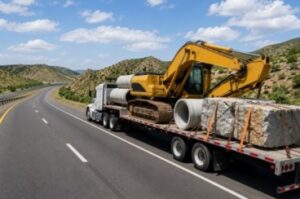
Truck Dispatch 366 provides heavy haul truck dispatch services designed to help carriers find suitable freight, manage dispatch details, communicate with brokers, and keep each load organized from pickup to delivery.
Our goal is simple: reduce the workload for truck drivers while helping them spend more time on the road and less time searching for freight and handling paperwork.
What Are Heavy Haul Truck Dispatch Services?
Heavy haul truck dispatch services help carriers manage the business and administrative side of transporting oversized or overweight freight.
A professional dispatcher can assist with tasks such as:
- Finding available heavy haul freight
- Searching for suitable loads
- Communicating with brokers and shippers
- Negotiating freight rates
- Reviewing load requirements
- Coordinating pickup and delivery information
- Managing carrier paperwork
- Tracking important shipment details
- Helping reduce unnecessary empty miles
- Providing ongoing communication during the load
For owner-operators, having dispatch support can make the process of managing specialized freight more organized and efficient.
Heavy Haul Freight Requires Careful Planning
Oversized freight can involve challenges that do not apply to standard loads. Weight, dimensions, trailer type, route restrictions, and state requirements can all affect how a shipment must be handled.
Before accepting a heavy haul load, carriers need to understand the complete requirements of the shipment.
Important details may include:
- Total cargo weight
- Load dimensions
- Pickup and delivery locations
- Required trailer type
- Route restrictions
- Permit requirements
- Escort requirements
- Delivery deadlines
- Loading and unloading requirements
Truck Dispatch 366 helps carriers review these details before moving forward so they can make informed decisions about the freight they accept.
Find Heavy Haul Loads That Fit Your Equipment
Not every load is suitable for every truck or trailer. A load may require specialized equipment because of its weight, length, width, height, or configuration.
Our heavy haul dispatch approach focuses on matching available freight with the carrier’s equipment and operating requirements.
Depending on the carrier’s setup, heavy haul freight may involve equipment such as:
- RGN trailers
- Step-deck trailers
- Flatbed trailers
- Lowboy trailers
- Specialized heavy haul equipment
The right match can help prevent problems at pickup and reduce the risk of accepting freight that does not fit the carrier’s equipment or operating plan.
Heavy Haul Rate Negotiation
Finding a load is only one part of successful dispatching. The rate also matters.
Heavy haul freight can involve additional operating costs because of specialized equipment, permits, escorts, route planning, fuel consumption, and other requirements. That makes effective rate negotiation especially important.
Truck Dispatch 366 communicates with brokers and works to negotiate competitive rates based on the load and its requirements.
Before accepting freight, carriers should consider more than the advertised rate. The overall load economics can also depend on:
- Loaded miles
- Deadhead miles
- Fuel costs
- Tolls
- Permits
- Escort expenses
- Loading and unloading time
- Equipment requirements
- Expected delivery time
A good dispatch decision considers the complete trip rather than focusing only on the rate per load.
Broker Communication and Load Booking
Heavy haul loads often require detailed communication before the truck arrives at the pickup location.
Truck Dispatch 366 can help carriers communicate with brokers and coordinate important load information. This can reduce the amount of time drivers spend making calls, sending emails, and searching for freight.
Dispatch support may include:
- Searching for available freight
- Reviewing load information
- Contacting brokers
- Discussing rates and requirements
- Confirming pickup details
- Organizing carrier information
- Communicating important updates
- Following the shipment through delivery
This gives owner-operators more time to focus on driving and completing the load safely.
Oversized and Overweight Load Support
Oversized and overweight freight may require additional planning before it can legally travel on the road. Requirements can vary depending on the shipment, route, and jurisdictions involved.
Common considerations can include:
- Oversize or overweight permits
- Route planning
- Safety markings
- Warning signs
- Designated lighting
- Safety equipment
- Escort vehicles
- Police support when required
The original source highlights these requirements as important considerations for specialized freight.
Because requirements can vary, carriers should verify applicable regulations and permit requirements before beginning a shipment.
Heavy Haul Dispatch From Pickup to Delivery
Good dispatching does not stop when the driver receives the load.
A heavy haul dispatcher can remain involved throughout the shipment by keeping track of important information and helping coordinate communication between the carrier and broker.
The dispatch process can include:
Before Pickup
The dispatcher reviews the freight, confirms load information, communicates with the broker, and helps organize the details needed for pickup.
During Transit
Communication can continue throughout the trip to help address updates, delays, or changes involving the shipment.
At Delivery
The dispatcher helps maintain communication until the load reaches its destination and the necessary delivery information is completed.
This organized approach helps carriers keep their heavy haul operations running smoothly.
Reduce Deadhead Miles With Better Load Planning
Empty miles can reduce the profitability of a trucking operation. For specialized equipment, finding the next suitable load can sometimes be more challenging than finding standard freight.
Strategic dispatching can help carriers plan their next move instead of waiting until the current load is almost finished.
When evaluating freight, carriers can consider:
- Where the current load delivers
- Where the next load originates
- How many empty miles are involved
- Whether the freight fits the trailer
- The expected rate
- Fuel and operating expenses
- The timing of the next pickup
Better planning can help create more efficient trips and reduce unnecessary deadhead whenever suitable freight is available.
Why Choose Truck Dispatch 366 for Heavy Haul Dispatch?
Truck Dispatch 366 is focused on helping owner-operators and trucking companies manage the freight side of their operations.
1. Heavy Haul Freight Support
Specialized freight requires attention to load details. Our dispatch approach focuses on finding freight that aligns with the carrier’s equipment and requirements.
2. Broker Communication
Instead of spending hours contacting brokers, carriers can rely on dispatch support to handle much of the communication involved in finding and booking freight.
3. Rate Negotiation
We work to negotiate competitive rates while considering the overall requirements and economics of the load.
4. Load Planning
Heavy haul dispatch involves more than finding a pickup. Proper planning considers equipment, route requirements, delivery information, and the next available opportunity.
5. Paperwork Assistance
Freight paperwork can take time. Organized dispatch support can help carriers keep important documents and load information in order.
6. Ongoing Dispatch Support
From finding freight to completing delivery, consistent communication can make it easier to manage the many details involved in specialized trucking.
Heavy Haul Dispatch for Owner-Operators
Owner-operators often have to manage multiple responsibilities at once. Driving, finding loads, negotiating rates, communicating with brokers, handling paperwork, and planning the next trip can quickly become overwhelming.
Heavy haul dispatch services can take some of these responsibilities off the driver’s plate.
With Truck Dispatch 366, owner-operators can focus more on operating their trucks while dispatch support handles important freight-related tasks.
Heavy Haul Dispatch for Small Trucking Companies
Small fleets can also benefit from professional dispatch support. Managing several trucks requires coordination, and finding suitable freight for each unit can become a full-time responsibility.
A dispatch service can help organize freight opportunities according to each truck’s:
- Equipment
- Location
- Availability
- Operating area
- Load requirements
- Delivery schedule
This can give small trucking companies additional support without requiring them to manage every broker conversation themselves.
How Truck Dispatch 366 Helps Simplify Heavy Haul Dispatching
Heavy haul trucking can become complicated when freight searches, broker communication, paperwork, and load planning are handled separately.
Truck Dispatch 366 brings these dispatch activities together into one organized process.
Our focus is to help carriers:
- Find suitable heavy haul freight
- Save time searching for loads
- Communicate with brokers
- Negotiate freight rates
- Organize load information
- Plan more efficient trips
- Reduce unnecessary deadhead
- Stay informed throughout the shipment
The result is a simpler dispatch process that allows carriers to concentrate on what they do best: moving freight.
Frequently Asked Questions About Heavy Haul Dispatch Services
What are heavy haul dispatch services?
Heavy haul dispatch services help trucking companies and owner-operators find specialized freight and manage the communication and administrative work associated with those loads. Services can include load searching, broker communication, rate negotiation, load planning, paperwork assistance, and ongoing dispatch coordination.
Can Truck Dispatch 366 help find oversized loads?
Truck Dispatch 366 focuses on helping carriers find freight that matches their available equipment and operating requirements. Oversized and overweight loads can have specific weight, dimension, permit, and route requirements, so carriers should review the complete load information before accepting freight.
What equipment is used for heavy haul freight?
Heavy haul freight may require specialized equipment such as RGN, lowboy, step-deck, flatbed, or other specialized trailers. The correct equipment depends on the cargo’s weight, dimensions, configuration, and transportation requirements.
Does heavy haul freight require permits?
Oversized or overweight shipments may require permits depending on the cargo and route. Requirements can vary by jurisdiction, so applicable regulations and permit requirements should always be verified before transportation.
How does heavy haul dispatch help owner-operators?
A dispatcher can handle time-consuming tasks such as searching for loads, contacting brokers, negotiating rates, organizing load information, and coordinating communication. This allows owner-operators to spend more time driving and managing their equipment.
Can dispatchers negotiate heavy haul rates?
Yes. Rate negotiation is an important part of freight dispatching. Heavy haul rates should be evaluated based on factors such as mileage, equipment, weight, dimensions, deadhead, fuel costs, permits, escorts, and other operating expenses.
Can heavy haul dispatch help reduce empty miles?
Professional load planning can help carriers look for suitable freight near delivery areas and plan their next trip more efficiently. However, available freight and market conditions can change, so deadhead cannot always be eliminated.
Final Thoughts
Heavy haul trucking requires careful planning, suitable equipment, strong communication, and attention to load requirements. For owner-operators and small fleets, managing these responsibilities while driving can be difficult.
Truck Dispatch 366 provides heavy haul truck dispatch support to help carriers search for suitable freight, communicate with brokers, negotiate rates, organize load information, and manage dispatch details.
A well-organized dispatch process can save valuable time and help carriers make better decisions about the freight they accept. For specialized trucking operations, having dependable dispatch support can make managing the business side of trucking much easier.