
What Is Dry Van Load Dispatch? A Complete Guide for Drivers and Shippers
If you’ve ever wondered how a truckload of retail goods, auto parts, or farm supplies gets from a warehouse to its destination without a hitch, the answer usually comes down to one thing: dry van load dispatch. It’s the backbone of everyday freight movement in the trucking industry, and understanding how it works can help owner-operators find steadier income and shippers move cargo with fewer headaches.
This guide breaks down what dry van dispatch actually involves, how the process unfolds in real life, what kinds of freight it covers, and how to pick a dispatch partner that won’t let you down. Whether you’re new to trucking or looking to sharpen your operation, you’ll walk away with a clear picture of how dry van dispatch services like Truck Dispatch 366 keep freight and revenue — moving.
What Does Dry Van Load Dispatch Mean?
Dry van load dispatch is the process of matching truck drivers with freight that needs to move in a standard enclosed trailer, then managing every step from pickup to delivery. A dispatcher handles load details, negotiates rates, plans routes, and stays in contact with brokers, shippers, and drivers until the freight arrives safely.
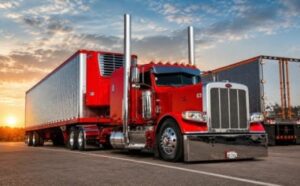
Unlike reefer (refrigerated) or flatbed freight, dry van loads are usually not temperature-sensitive or oversized. That means dispatchers can focus on three things that matter most to carriers: better rates, tighter scheduling, and fewer operational surprises.
How the Dry Van Dispatch Process Works
A dry van shipment moves through a fairly predictable sequence of steps. Knowing this workflow helps drivers and shippers understand where a dispatcher adds value.
- Load posting — A broker or shipper posts an available load with pickup and delivery details.
- Load review — The dispatcher checks the rate, mileage, delivery window, and equipment requirements.
- Driver assignment — The load is matched to a driver whose location, hours of service, and trailer type fit the job.
- Coordination — The dispatcher arranges pickup appointments, tracks paperwork (rate confirmations, bills of lading), and plans the route.
- In-transit communication — The dispatcher stays in touch with the driver and broker to handle delays, detours, or documentation issues.
- Delivery confirmation — Once the load is delivered, the dispatcher confirms proof of delivery and follows up on payment.
On larger or multi-stop shipments, more than one broker or logistics provider may be involved to keep handoffs smooth. Some lower-priority loads also move through digital freight marketplaces, where dispatchers compare rates in real time to find the best-paying option for a driver’s route.
What Kind of Freight Moves in a Dry Van?
Dry van trailers are fully enclosed, which makes them a practical choice for cargo that needs protection from rain, wind, dust, and theft — but doesn’t need climate control. That’s why they’re the most commonly used trailer type across retail, manufacturing, and industrial supply chains.
Freight typically shipped by dry van includes:
| Category | Examples |
|---|---|
| Retail & consumer goods | Packaged products, clothing, electronics |
| Construction materials | Tools, machinery parts, building supplies |
| Agricultural supplies | Feed, seed, packaged farm products |
| Automotive | Parts, accessories, aftermarket components |
| Beverages | Alcoholic and non-alcoholic packaged drinks |
| Paper goods | Printed materials, books, packaging |
| Industrial equipment | Non-hazardous petroleum and gas-related gear |
If a shipment doesn’t need refrigeration or open-deck loading, dry van is almost always the simplest and most cost-effective option.
Benefits of Using a Dry Van Dispatch Service
Dry van freight remains the most in-demand trailer type in trucking, and dispatch services amplify that advantage in a few concrete ways:
- Lower operating costs — Dry vans are more fuel-efficient than reefers, since there’s no refrigeration unit to run.
- Cargo protection — Enclosed trailers shield freight from weather and reduce theft risk.
- Steady load volume — Dry van freight is available year-round across nearly every industry, which means fewer empty miles for drivers.
- Simplified logistics — No temperature logs, no special permits for most loads, and straightforward loading procedures.
- Predictable rates — Because dry van is such a high-volume freight category, pricing tends to be more stable and easier to forecast.
For owner-operators, this combination of steady demand and lower overhead makes dry van one of the most sustainable ways to keep a truck loaded.
Drawbacks to Keep in Mind
No dispatch method is perfect, and dry van has a few limitations worth planning around:
- No climate control — Extreme heat or cold can still affect sensitive (non-perishable) cargo inside the trailer.
- Manual freight handling — Some loads require hand-loading or unloading, which adds labor time and cost.
- Trailer wear — Heavier, repetitive freight can wear down flooring faster than lighter loads.
- Rate fluctuation on certain lanes — High-demand routes or last-minute bookings can push rates higher than expected.
A good dispatcher won’t hide these trade-offs — they’ll help you plan around them so they don’t turn into costly surprises.
How to Choose the Right Dry Van Dispatch Service
Picking a dispatch partner is one of the most important decisions an owner-operator or fleet manager will make. The right service directly affects your revenue per mile, your schedule, and how much stress is involved in day-to-day operations.
Look for these factors before signing on with a dispatcher:
- Industry experience — How long has the dispatcher worked specifically with dry van freight?
- Broker relationships — Do they have established connections with reputable brokers and shippers?
- Rate transparency — Are their fees and rate negotiations clearly explained upfront?
- Communication availability — Can you reach them quickly if something changes mid-route?
- Compliance knowledge — Are they up to date on DOT, safety, and documentation requirements?
A strong dispatcher doesn’t just fill your truck with loads — they help you build a route strategy that keeps your business profitable long-term.
Why Truck Dispatch 366 Is a Smart Choice for Dry Van Freight
Truck Dispatch 366 was built around one goal: helping drivers stay loaded, paid on time, and protected from the guesswork of freight booking. Rather than offering generic, one-size-fits-all service, the team focuses on matching each driver’s equipment and route preferences with freight that actually makes sense for their business.
What working with Truck Dispatch 366 looks like:
- Dedicated dispatchers who specialize in dry van freight
- Established relationships with vetted brokers and carriers
- Round-the-clock support for drivers on the road
- Full compliance with DOT and industry safety standards
- Transparent rate negotiation and consistent load planning
Whether you’re running local routes or long-haul lanes, the team at Truck Dispatch 366 works to keep every load organized from pickup to delivery — with clear communication and no hidden surprises. A free quote is available for drivers who want to see what a dedicated dispatch partnership can do for their bottom line.
Frequently Asked Questions
What is dry van load dispatch?
Dry van load dispatch is a freight management service that books, coordinates, and tracks shipments moved in standard enclosed trailers. Dispatchers handle communication between drivers, brokers, and shippers to keep pickups, routing, and deliveries on schedule.
What types of freight use dry van shipping?
Dry van trailers typically carry non-perishable freight such as retail goods, construction materials, automotive parts, packaged beverages, printed materials, and farm supplies. Anything that doesn’t need refrigeration or open-deck loading usually qualifies.
Is dry van dispatch a good fit for owner-operators?
Yes. Dry van freight is available in high volume nearly year-round, which means more consistent load opportunities and fewer empty miles compared to more specialized trailer types.
Does dry van freight need temperature control?
No. Dry vans are not refrigerated, which is why they’re used for cargo that isn’t sensitive to normal temperature changes during transport.
How much does a dry van dispatch service typically cost?
Most dispatch services charge a percentage of each load’s gross revenue, commonly in the range of a few percentage points, though exact rates vary by provider. Ask any dispatcher for a clear breakdown before committing.
How do I choose a reliable dry van dispatcher?
Look for proven experience with dry van freight, transparent pricing, strong broker relationships, responsive communication, and a track record of regulatory compliance.
Can dry van dispatch services help with long-haul routes?
Yes. Dispatchers plan multi-stop and long-haul routes by coordinating fuel stops, delivery windows, and hours-of-service limits, helping drivers cover longer distances efficiently.
Final Thoughts: Is Dry Van Dispatch Right for You?
Dry van load dispatch remains one of the most dependable ways to keep freight moving and trucks loaded. It’s cost-effective, widely available, and simpler to manage than specialized freight types — which is exactly why it remains the go-to choice for so many carriers and shippers.
The difference between an average year and a profitable one often comes down to who’s booking your loads. With an experienced partner like Truck Dispatch 366 handling the details, dry van dispatch becomes more than a service — it becomes a reliable foundation for growing your business.